
Why a Property Management Company Would Go to AWS re:Invent

Responsive Property Management Starts With Answering the Phone

Why Rental Property Standards Matter More Than Most People Realize
A rental listing is not just marketing. It is a promise.
For residents, that promise is simple: the home should be safe, clean, and work the way it is advertised.
For homeowners, the promise is bigger: protect the asset, reduce risk, and get strong rent with fewer costly surprises.
There is another layer that often gets missed. Your rental is competing every day. Not just with homes across town, but with the new apartment community down the street that offers a gym and a pool. Renters compare options fast, and amenities matter. Surveys from Apartments.com and RentCafe show renters actively prioritize specific features and conveniences when choosing where to live (Apartments.com). That reality changes the job.
Getting a home “rent ready” is not only about meeting basic habitability. It is also about making the home stand out in photos, feel great in person, and deliver a move in experience that sets the tone for the entire lease.
That is why On Q treats rental property standards as a core objective, not an afterthought. The goal is consistency: every home meets a clear baseline before it is marketed, toured, or moved into.
The Real World Problem These Standards Solve
In many traditional management models, homes get listed first and “finished later.” Safety items get handled after the first showing. Cleaning gets rushed. Repairs get discovered during the move in week.
That approach usually backfires.
A home that is not truly ready does not rent faster. It rents messier. Showings create negative feedback. Good applicants move on. The home sits longer, and the next steps become reactive.
On Q’s standards were developed in response to patterns that repeat in property management:
- Delayed move ins because a safety item was missed.
- Early maintenance spikes that trace back to incomplete turnover.
- Disputes that could have been prevented with clearer expectations and documentation.
- Expectations were missed because promises on cleanliness or functionality weren’t met.
Instead of treating readiness as a vague idea, On Q formalized it into a defined workflow with documented requirements and a clear handoff from turnover to marketing.
Rent Ready Is Not the Same as Show Ready
A home can be technically habitable and still lose to the better presented option down the street.
Think about what happens when you sell a home. Most homeowners understand the basics:
You maximize curb appeal. You make it bright, clean, smell great, and easy to picture living in. The same logic applies to leasing and rentals.
Curb appeal matters because first impressions matter. In housing sales, the majority of real estate professionals say curb appeal is important in attracting buyers. (National Association of Realtors) Research from the University of Texas at Arlington also found a measurable price premium tied to curb appeal in home sales. (UT Arlington) Renting is different than selling, but human behavior is the same: people choose the option that feels cared for.
On Q’s standards aim for both:
Rent ready: safe, functional, compliant.
Show ready: looks, smells, and feels like a home someone wants to move into.
What “Rent Ready” Means at On Q
On Q’s minimum rental readiness requirements focus on safety, cleanliness, and functional integrity. These are not “nice to have.” They protect residents and homeowners.
Health and Safety Comes First
Every home must meet baseline safety expectations before listing. In Arizona, landlords have a legal duty to maintain fit and habitable premises, including compliance with building codes affecting health and safety. (Arizona Legislature)
On Q’s readiness standards reflect that reality with practical checks such as:
- Working smoke detectors and carbon monoxide detectors where applicable
- Secure, functional locks on doors and windows
- Sturdy handrails and safe walking surfaces
- Working electrical outlets, switches, and lighting where required
- Plumbing that works without leaks
- Heating and cooling that can maintain safe indoor conditions
These items protect people first, and they also reduce homeowner liability and avoidable emergency calls later.
Cleanliness Is a Leasing Strategy, Not a Detail
Professional cleaning before showings is not cosmetic. It changes outcomes.
A clean home attracts more qualified renters, because the people who care about a clean home pay attention to move in condition. It also reduces early friction. Residents should not start their lease frustrated by grime, odors, or leftover debris.
On Q requires professional cleaning as part of turnover readiness, including floors, bathrooms, appliances, and windows as needed. Pest activity must be addressed.. Nobody wants to move in with pests. Trash and debris get removed inside and out.
This matters for another reason that homeowners often feel later:
The condition that a home is delivered in, often influences the condition it is returned in.
A dirty home signals that “good enough” is acceptable. A clean, well manicured home sets a higher standard from day one. It attracts residents who tend to maintain that standard, and it strengthens move out accountability through clearer comparisons.
Functional Systems Must Work as Intended
Residents do not move in hoping to discover what does not work. Early maintenance problems create frustration and increase costs.
Before listing, On Q’s readiness process checks key systems such as:
- Appliances included with the lease
- Plumbing flow and drainage
- Basic electrical function and fixture safety
- HVAC operation and filter condition
- Safety related items like proper covers, secure mounting, and stable hardware
This reduces the chance of a flood of “first week” service requests tied to turnover misses.
Why Presentation Matters in a Competitive Market
Renters compare your home to every other option they can tour this week.
That includes apartments with amenities that many renters actively want, like in unit laundry, parking, and other convenience features. (Apartments.com) It also includes single family rentals with newer finishes, upgraded appliances, better lighting, and better photos.
If your home loses the first impression battle, it may never get to the application stage.
On Q treats presentation as part of performance because it directly impacts two things homeowners care about most:
- Leasing speed
- Achievable rent
A simple way to see it: vacancy is expensive. If monthly rent is $2,100, each vacant day is at least $70 in lost rent, and this is before utilities, yard care, and HOA costs. Proper home preparation will almost always result in faster leasing.
Exterior Condition and Curb Appeal Still Matter for Rentals
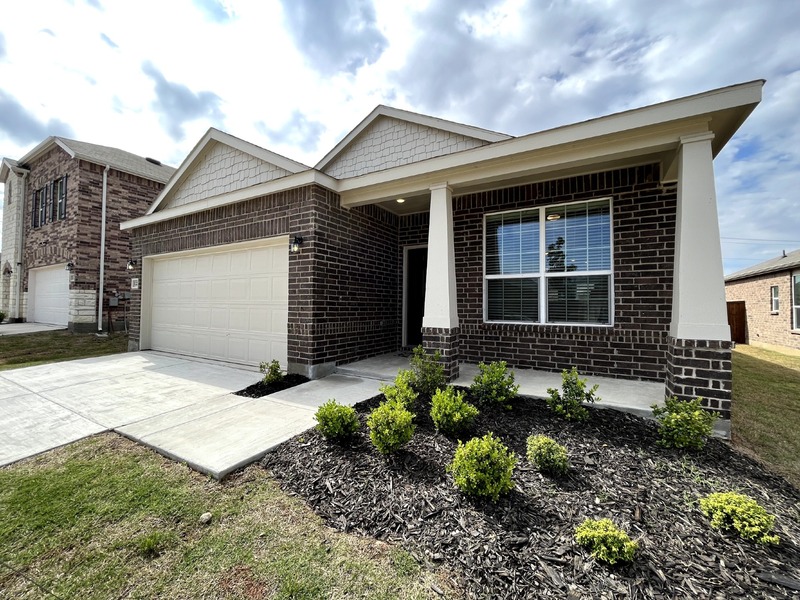
Curb appeal is not just for home sales. It is the first photo a renter sees, and the first impression they feel when they arrive.
On Q’s baseline exterior standards typically include:
- Yard cleanup, weed removal, and basic trimming
- Functional irrigation if installed
- Visible address numbers
- Exterior free from obvious damage that undermines trust and safety
This is the rental version of “would you want to walk in or would you just drive by?”
How On Q’s Readiness Process Works Behind the Scenes
Rental readiness is not a single inspection. It is a coordinated workflow that creates a clean handoff from turnover to leasing.
A typical readiness path looks like this:
- Readiness review scheduled
The home gets a documented review focused on safety, functionality, and overall condition. - Gaps get documented and communicated
Issues are clearly recorded so the homeowner understands what is needed and why. - Work gets coordinated and tracked
Homeowners fund the work required to meet standards. On Q can coordinate vendors and scheduling so the work gets done consistently. - Clean, verify, then market
Only after the home meets minimum standards does professional photography and marketing begin.
Listing before readiness is complete often creates more delays, not fewer. It can also create negative feedback loops: poor showing experience leads to fewer applications, which leads to longer vacancy, which leads to pressure to discount rent.
On Q’s approach protects the listing momentum by making sure the home is ready to win as soon as it goes live.
What On Q Tracks and Why It Matters
On Q manages a large portfolio in Arizona and Texas, with thousands of homes and residents placed, which makes our reputation for managing excellent homes non-negotiable.
On Q focuses on practical performance signals like:
- Days from list date to approved applicant
- Showing feedback patterns that point to fixable issues
- First two week maintenance volume after move in
- Repeat issues that trace back to turnover quality
This is not about chasing perfect scores. It is about catching patterns early and improving the system over time.
What This Means for Residents
Residents get a home that feels cared for from day one.
They walk into a clean space. Safety items are already handled. Systems work the way they should. When something does come up, residents have clear tools to request help through On Q’s resident services and maintenance request process. (OnQPM)
That reduces stress during move in, which is one of the most hectic weeks in anyone’s year.
What This Means for Homeowners
Homeowners get protection, faster leasing, and stronger long term performance for one of their most important financial investments.
Clear standards reduce liability exposure and help align with Arizona’s habitability expectations. (Arizona Legislature) Better presentation helps the home compete against nearby rentals and amenity heavy apartments, which supports rent strength and reduces vacancy pressure. (Apartments.com)
There is also a quieter benefit: a well prepared home tends to attract residents who take pride in where they live. That often shows up later in fewer preventable issues and a smoother move out.
Standards Are Part of a Bigger Operating Philosophy
On Q’s standards are not a checklist to rush through. They are part of an operating philosophy built on consistency, clarity, and continuous improvement.
When the basics are handled the right way, teams spend less time firefighting and more time supporting residents and homeowners like real people.
That is management you can trust.
The Takeaway
Rental property standards are not about being strict. They are about being clear.
Clear standards help your home stand out. They help it rent faster. They protect residents. They protect the asset. They also set expectations early, which can influence how the home is cared for during the lease and how it comes back at move out.
If you would maximize curb appeal to sell a home, it makes sense to maximize the same basics to lease it: clean, bright, well maintained, and ready to impress every person who walks through the door.
That is why On Q requires every property to meet defined readiness standards before the first showing.
Frequently Asked Questions
Are these standards required for every On Q property?
Yes. Every home must meet minimum marketing and readiness standards before listing.
Who pays to bring the property up to standard?
The homeowner is responsible for required work. On Q can coordinate vendors and scheduling on the homeowner’s behalf.
Are the “best practices” mandatory?
No. They are recommendations, but they often help a home compete better and support higher quality applications.
Why not list first and fix issues later?
Because unresolved issues cost time and momentum. They can reduce applications, increase vacancy days, and create early resident frustration.
Does cleanliness really affect how a home is returned?
Often, yes. Clean move in condition sets a clear standard and attracts residents who value it. It also makes documentation clearer at move out.
Learn More About On Q
Owner Services portal: (OnQPM)
Maintenance overview: (OnQPM)
Resident Services hub (move in and move out forms, portals): (OnQPM)
Maintenance Requests page: (OnQPM)
Arizona Property Management services page: (OnQPM)
Owner FAQ: (OnQPM)
Additional Information External Links
Arizona landlord duty to maintain fit premises (A.R.S. 33 1324): (Arizona Legislature)
Curb appeal importance (National Association of Realtors): (National Association of Realtors)
Renter amenity preferences (Apartments.com survey): (Apartments.com)
Renter preferences research (NMHC and Grace Hill): (nmhc.org)