Automated Key Lockers Are Transforming Move-Ins

First Impressions Rent Homes: On Q’s Marketing Standards That Result In Faster Leasing and Stronger Rental Value
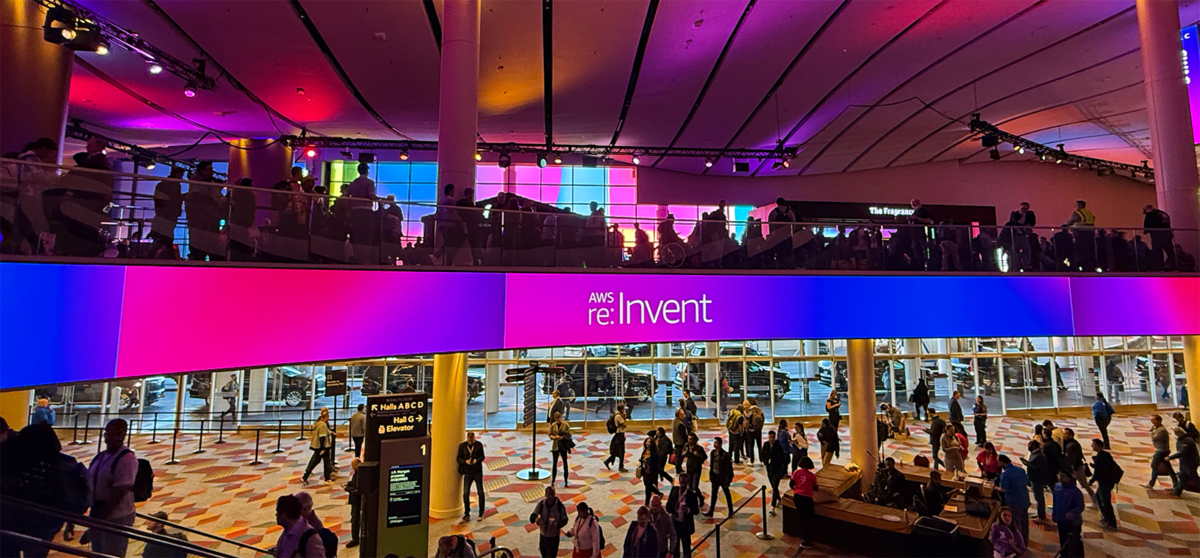
Why a Property Management Company Would Go to AWS re:Invent
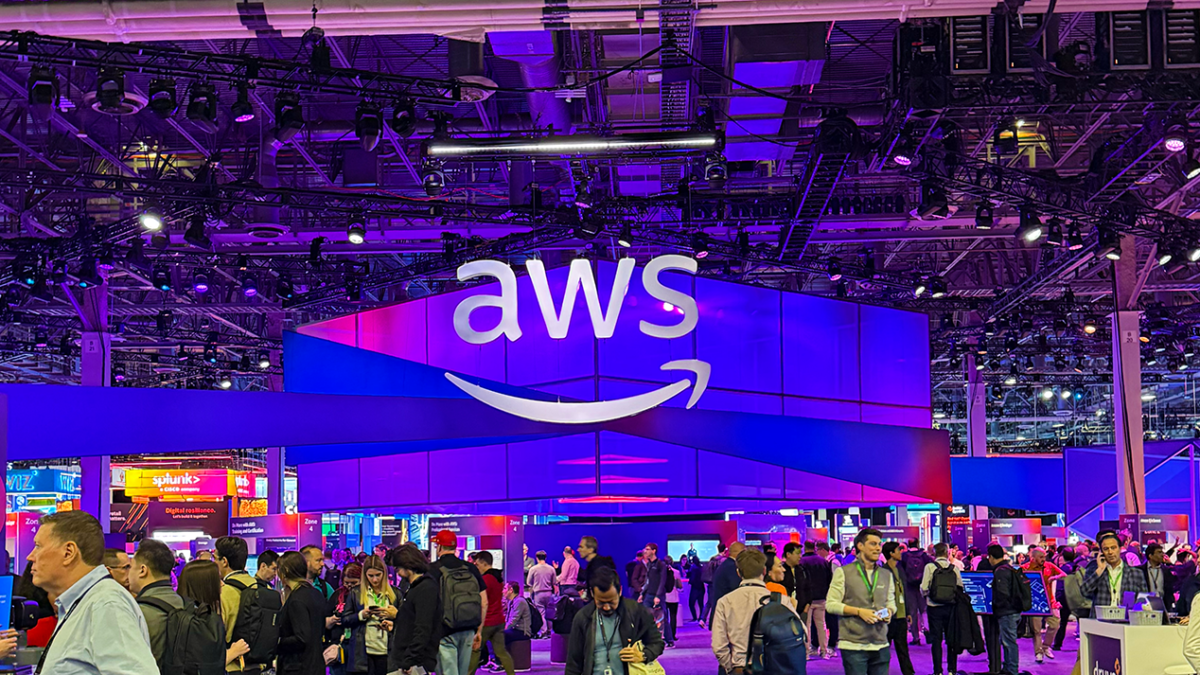
If you walked past the registration line at AWS re:Invent — one of the world’s largest and most advanced cloud and AI computing conferences — you’d expect to see engineers from companies like Netflix, Amazon, Nasdaq, and Salesforce.
You probably wouldn’t expect to see a property management company.
So why did On Q Property Management send four of our top development and operations leaders to spend an entire week there—and invest heavily to make it happen?
For us the answer is straightforward. We want to be the most advanced property management company in the industry. That means giving our employees tools that help them perform at their highest level, and giving Residents and Homeowners technology that delivers visibility, transparency, accuracy, efficiency, and consistently high service.
AWS re:Invent is one of the places where the future of cloud and artificial intelligence is being designed in real time. Our team was there to learn, to build, and to bring those capabilities back into a very real world context: leasing and managing homes for real people.
This article is an inside look at why that matters, what we have already built, and how it will change the experience for Residents and Homeowners, all while staying true to our mission of “Better Residents, Faster.”
Why technology matters so much in property management
Property management looks physical on the surface. There are homes, locks, keys, inspections, repairs, move ins and move outs. Underneath that, there is a constant flow of information.
Applications, background checks, income verification, work orders, inspection reports, rental payments, statements, calls, emails, and text messages all need to be processed and connected.
In many traditional models that information lives in separate systems. Teams move between different portals and inboxes, and it is easy for context to get lost or for something important to sit unnoticed in a queue.
We have taken a different approach.
If we want true visibility for Homeowners and clear communication for Residents, then our systems cannot be an afterthought. They have to be core infrastructure. That is why we have invested in our own development team and why we attend conferences that are usually associated with the biggest technology companies in the world.
Artificial intelligence has been talked about endlessly over the last year, and it is clear that progress is not slowing down. New services continue to appear that make it easier to add advanced intelligence into everyday systems. We want to use those tools in practical ways that improve how we run our business and how we serve people, not just talk about them.
Why we invest in AWS re:Invent and similar events
Many property management companies rely on software that is purchased off the shelf. There is nothing wrong with that in principle, but it means you are limited by someone else’s roadmap and someone else’s view of how your business should work.
We chose a harder path. We build our own tools and platforms.
That decision comes with responsibility. If we are going to own the systems, we need to own the learning that goes with them. That is why we send our own developers and technology leaders to conferences like AWS re:Invent and similar events during the year.
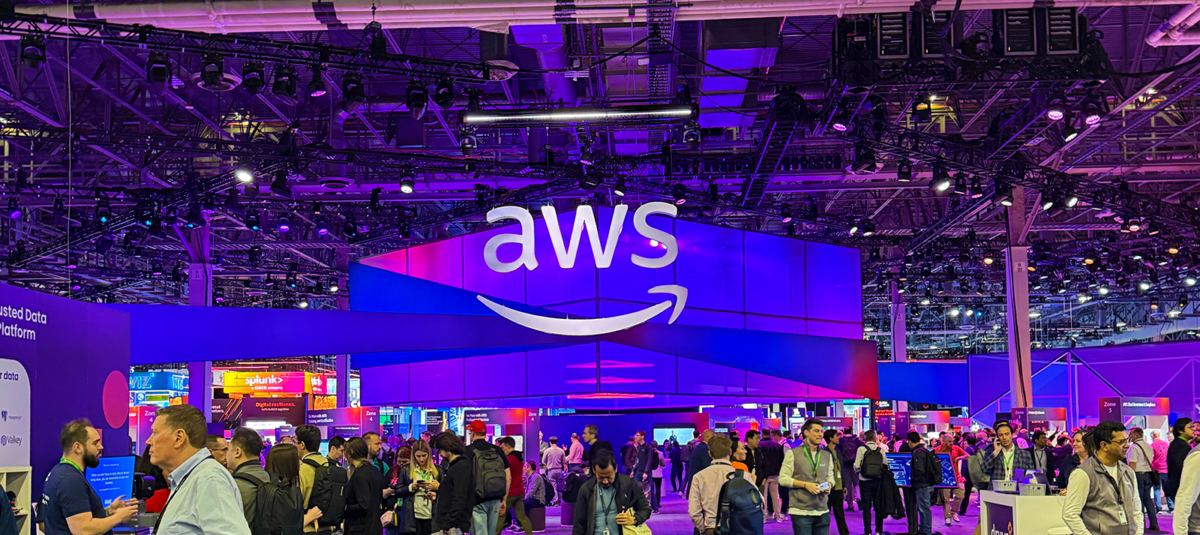
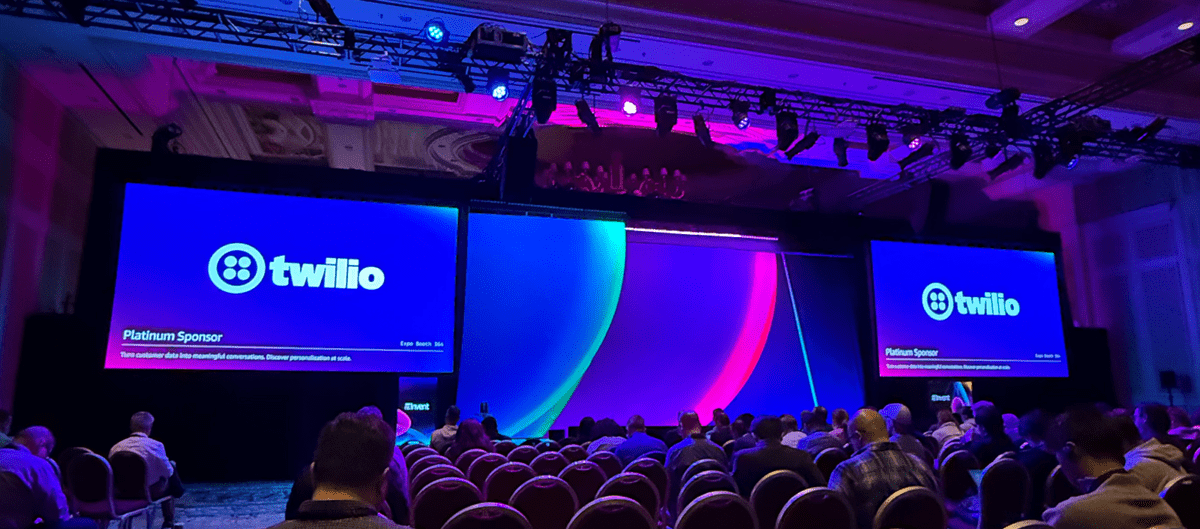
At re:Invent our team spent a full week in keynotes, technical sessions, and hands on labs. They learned from the same engineers who design the services that support some of the most demanding workloads in the world. More importantly, they spent their time connecting those ideas back to very specific property management problems.
We do not attend just to hear about trends. We attend so that we can make concrete decisions about what we will build next, and how we will build it.
Why we Build instead of Buy
A major difference between On Q and most other property management companies is simple to say and hard to do. We do not rely exclusively on third party property management platforms. We design and build many of our own tools.
That choice has not always been easy. It requires investment, patient work, and a willingness to solve problems that other companies hand off to vendors. It has also been one of the most important decisions we have made.
By building our own tools we can:
- Design software around the way our teams actually work, rather than bending our workflows to match a generic product.
- Move more quickly when we see an opportunity to improve service.
- Integrate new capabilities from cloud and AI platforms without waiting for a product update.
Over time, our rate of development has outpaced what we see in the broader market. That pace is part of what separates us from competitors, and events like re:Invent help us maintain that edge.
What we built during the week of the conference
We do not treat conferences as theory. During this year’s re:Invent, while we were testing new services, our team actually built and launched two new internal applications: Priority Hub and Contact Hub.
Priority Hub, a single place for work that matters
Priority Hub is a central view of everything an employee needs to handle in a day.
Emails that need a response, applications waiting for approval, marketing updates that need to be made, and other operational tasks now appear in one place. Instead of hunting through different systems to find the next action, our team can focus on working through a clear list.
The goal is simple. We want every employee to be able to move through their day knowing that the important items are visible, manageable, and under control. When that happens consistently, Residents and Homeowners see faster responses and fewer dropped tasks.
Contact Hub, a complete view of each relationship
Property management is filled with conversations. People call, email, send text messages, respond to notices, and reach out through different channels depending on what is easiest for them at that moment.
Contact Hub brings those touchpoints together.
For each client, our team can see a timeline that includes phone calls and their summaries, text messages, emails, and notices that have been sent or received. When someone reaches out, we do not start cold. We see the full context and can respond accordingly.
For Residents and Homeowners this means less repetition and more continuity. For our team it means fewer blind spots and more confident decision making.
Both of these tools were built during the same week that our team was attending the conference. That is a practical example of how we can turn new platform capabilities into useful software quickly.
The artificial intelligence you rarely see, but already benefit from
Artificial intelligence is already present in several parts of our operation. Most of it is behind the scenes.
Today we use AI and automation to assist with tasks such as:
- Pricing rentals with algorithms that consider market conditions and performance data.
- Creating a transcription for every phone call, so that key details can be searched and reviewed later.
- Reviewing inspection data and highlighting items that may need attention.
- Supporting the rental marketing process so that listings are clear and consistent.
- Helping price work orders and identify vendors who can complete them competitively.
These systems do not replace people. They help our team move faster and with more confidence. They also prepare the ground for more capable tools in the future, since high quality data is the foundation of any serious AI effort.
As we gather more measurable results from these systems, we plan to share specific stories about their impact.
What we are planning next, especially in leasing
One of the largest projects now in motion is a complete redesign of the Resident leasing experience.
We are using what we have learned at events like re:Invent, combined with years of operational experience, to build a new leasing platform. The goal is not to chase novelty. The goal is to make the process of finding and securing a home clearer, faster, and easier for everyone involved.
AI will have a role in that platform. It will help guide Residents through steps, prioritize work for our team, and reduce friction where possible. Just as important, the platform will be built on resilient, observable infrastructure so that it feels stable and predictable.
As part of this broader effort, we are also focused on:
- Product resiliency, including systems that catch certain classes of bugs automatically and alert engineers quickly when something goes wrong, supported by standard unit testing and automated checks.
- Security practices such as regular security reviews and penetration testing to find and fix vulnerabilities before they can be exploited.
- Improved threat detection that uses intelligent monitoring to spot unusual behavior.
- Tools that help identify applications that may involve fake pay stubs, falsified documents, or attempts to misuse AI to defeat background checks.
- More automated and self service experiences for common requests, so that Residents and Homeowners can get simple things done without waiting.
Development speed is part of this picture as well. Work that used to take weeks to design, build, test, and deploy can now be completed in far less time. That does not mean we rush. It means that our processes and infrastructure now support rapid, safe iteration.
Finally, we continue to design our systems so that they can scale. When demand peaks, or when we grow quickly, our technology needs to meet that demand without creating new bottlenecks.
What this means for Residents
For Residents, these investments show up in practical ways.
The application and leasing process becomes clearer and less frustrating. The status of an application is easier to understand. Next steps are better defined. When someone calls or writes in, the person on the other end can see the full context of past conversations and respond with that in mind.
Day to day requests are handled more consistently, because employees can see their priorities in one place and move through them with confidence. Communication feels less like a series of disconnected moments and more like an ongoing relationship.
Stronger security and better fraud detection help protect Resident data and keep communities stable. The end result is an experience that feels more reliable, more responsive, and more respectful of a Resident’s time and situation.
What this means for Homeowners
For Homeowners, the impact is equally important.
Better screening and fraud detection means higher confidence that the people placed in a property are a good fit and that documentation has been reviewed with modern tools, not just a quick glance.
More resilient systems and faster development cycles mean that the tools controlling leasing, maintenance, and communication improve steadily rather than staying frozen in place for years. When something does go wrong, it is identified and resolved more quickly.
Centralized communication history and clear internal prioritization reduce the chance that a critical message is lost or that a task stalls. That translates into fewer surprises, fewer delays, and more predictable outcomes.
This is one of the ways we live out the idea that volume is a byproduct, not the main objective. The systems are built to protect and enhance each individual asset, not just to push transactions.
Our view of AI and how it impacts our valued employees
There is a lot of public discussion about AI and jobs. Our position is clear.
We do not see AI as a way to reduce staff. We see it as a way to remove low value work from their day. On Q has not reduced our workforce, and as we grow we expect to continue adding people, not replacing them with software.
Our people are the reason On Q works. Technology exists to support them, not the other way around.
By automating repetitive tasks and surfacing better information, we want to give our team more time for the conversations and decisions that require human judgment and care.
Why a property management company belongs at an AI and cloud conference
The question we started with was simple: Why would a property management company send four employees to AWS re:Invent and invest heavily to make it happen every year?
The answer is that while homes are physical, excellence in managing them increasingly depends on the quality of the systems behind the scenes. Conferences like re:Invent are where the tools and patterns for those systems are discussed and refined.
We attend because we build. We build because our Residents and Homeowners deserve more than a generic solution. They deserve a partner that treats technology as a way to deliver on a mission, not a slogan.
For us that mission is still “Better Residents, Faster.” The combination of strong systems and strong people is how we plan to keep delivering on it, as the tools available to us continue to evolve.