


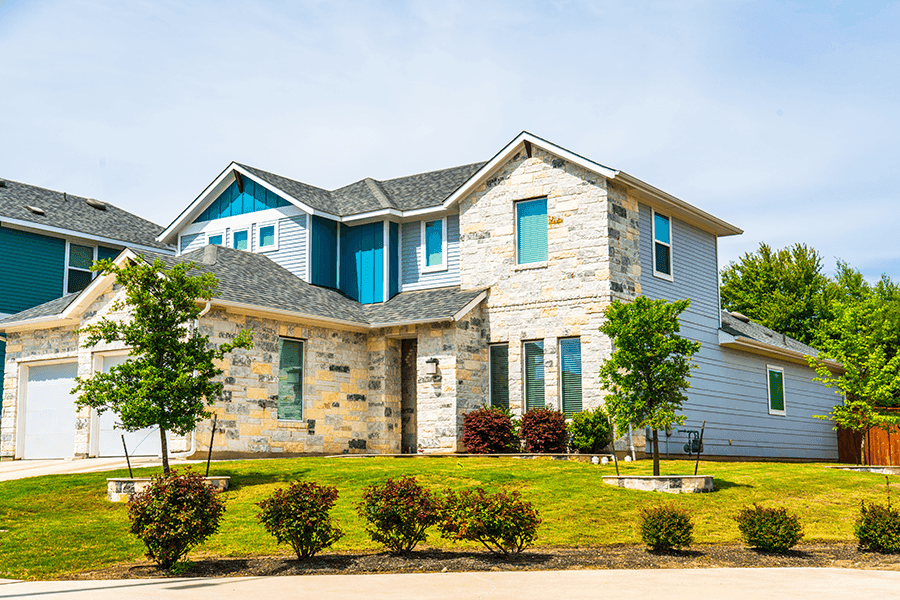
What to Look for When Buying an Investment Rental Property
Investing in a rental property can be one of the smartest financial decisions you make, but only if you know what to look for. Real estate can build long-term wealth, diversify your portfolio, and generate steady income, yet success depends on strategy and preparation. At On Q Property Management, we work with investors every day who want to make sure their next purchase is the right one. Here’s what we tell them.
Understand Your “Why”
Before you buy, it’s crucial to understand why you want to invest in a rental property. Are you diversifying beyond the stock market? Building long-term wealth? Putting a recent windfall to work? Or are you simply drawn to real estate as a tangible asset?
Your motivation determines your approach. For example:
- If your goal is consistent monthly cash flow, you may prioritize established neighborhoods with stable rental demand.
- If your goal is long-term appreciation, you might focus on growing markets where values are projected to rise.
Knowing your “why” guides everything from your financing to your property selection, and helps ensure your investment aligns with your financial goals.
Don’t Buy Just to Buy
Market trends change, and timing can be tricky. It’s tempting to rush into a purchase when you have funds available or feel pressure to “get in before it’s too late.” But smart investors avoid emotional decisions.
A good rental property should make sense financially. That means understanding:
- The property’s condition, maintenance history, and age
- Repair or upgrade costs
- Local rental demand and price trends
At On Q, we remind clients that real estate investing is a long-term game, not a quick flip. Patience and careful analysis usually pay off far more than impulse buys.
Avoid Depending on Rental Income to Survive
While rental income can be an excellent source of cash flow, it shouldn’t be your only safety net. Even the best-managed properties can experience vacancies, delayed payments, or unexpected maintenance issues.
Successful investors plan for:
- 1–2 months of potential vacancy each year
- A reserve fund for repairs or emergency expenses
- The ability to make mortgage payments even without rental income
Treat your rental property like an investment, not your paycheck. Over time, consistent rent payments will build equity, cover your mortgage, and strengthen your financial position, but you’ll need the flexibility to weather short-term fluctuations.
What Makes a Great Investment Property?
A good rental property balances return, stability, and sustainability. Here’s what to consider:
1. Cash Flow
A healthy rental should bring in more than it costs to own. That includes your mortgage, property taxes, insurance, and maintenance. Many investors aim for a 2–6% cash-on-cash return, though this can vary depending on location and property type.
2. Appreciation Potential
Some markets may offer slower monthly returns but stronger long-term appreciation. Neighborhoods with improving infrastructure, job growth, or revitalization plans often see steady value increases.
3. Age and Condition
Older homes can be great deals, but they may come with higher maintenance costs. If you plan to hold the property for decades, it’s often smarter to buy newer construction or a recently renovated home.
4. Financing and Leverage
A fixed-rate mortgage allows your renter to effectively pay off the property for you over time. Imagine owning a fully paid-off asset in 30 years, that’s the power of consistent rent payments and smart financing.
5. Tax Advantages
Owning a rental property comes with significant tax benefits. You may be able to deduct property management fees, insurance, repairs, and even depreciation. (Always consult with a tax professional for personalized advice.)
What to Avoid When Buying
Even experienced investors make mistakes when purchasing a rental property. Here are common pitfalls to avoid:
- Overestimating rent potential: Base your projections on verified rental comps and data, not online guesses.
- Ignoring HOA fees and property taxes: Both can significantly affect your net return.
- Skipping inspections: Always allow time for due diligence and professional evaluations before closing.
- Buying too old: If you plan to hold a property long-term, avoid homes that will need major system overhauls in the near future.
At On Q Property Management, we analyze every property’s long-term viability, not just what it looks like on paper today.
Considering a Property That’s Already Rented?
Purchasing a property that already has residents in place can be a great opportunity. Immediate rent income and a stable lease can reduce vacancy risk. However, you should review:
- The current lease terms
- The resident’s payment history
- The rent rate compared to market averages
While these homes can sometimes be more complex to show or inspect, they often come with built-in advantages — and sometimes even seller discounts.
Focus on Long-Term Growth
Real estate investing isn’t about quick wins. It’s about building equity, compounding returns, and generating passive income over time. Even when repairs or vacancies arise, the long-term payoff often outweighs short-term challenges.
The key is consistency — staying invested, staying informed, and staying strategic. If you treat your rental property like a business, it will reward you like one.
Ready to Start Building Your Rental Portfolio?
At On Q Property Management, we help investors buy, lease, and manage rental properties with confidence. Our real estate team can guide you from purchase through management, helping you find opportunities that align with your goals — whether you’re buying your first home or expanding a portfolio.
Learn more about how we can help you find and manage the perfect rental property at www.onqpm.com