


Leasing Fast vs. Leasing Right: Why the Wrong Resident Costs More Than a Long Vacancy
Resident placement impacts long-term rental performance far more than simply reducing days on market. Here’s why smart resident placement strategies help property owners avoid costly turnover, eviction risk, and long-term operational issues.
Everyone loves talking about days on market because it’s easy to measure. What matters more is what happens after the lease is signed.
Why Resident Placement Matters More Than Days on Market
In property management, there’s always pressure to lease homes quickly. Faster leasing sounds impressive on paper, and it’s an easy number for people to compare. The problem is that speed alone doesn’t tell you whether the lease was actually a good one.
A property leasing in seven days might look great at first. But if that resident stops paying four months later, breaks the lease early, or leaves behind significant damage, that “quick win” suddenly becomes expensive.
Lost rent, repairs, vacancy, legal costs, and another full turnover can erase the benefit of leasing quickly in the first place.
That’s the part people don’t talk about enough.
The Hidden Cost of Leasing Too Fast
Bad resident placement decisions create costs that often show up months later, not during the initial lease process. In many cases, a rushed leasing decision ends up costing far more than a few extra weeks of vacancy ever would.
Unpaid Rent
Most payment issues don’t happen immediately. They usually develop over time after job loss, financial stress, or other life changes begin affecting the resident’s ability to pay.
By the time formal eviction proceedings begin, owners are often already carrying months of lost rent.
Recent industry estimates place the average eviction cost somewhere between $3,500 and $10,000 once legal fees, vacancy, repairs, and turnover costs are included.
Property Condition at Move Out
Residents leaving stressful situations are rarely focused on preserving the property. Additional cleaning, repairs, hauling, and maintenance costs can add up quickly, especially when the property was not well maintained throughout the lease.
The Second Turnover
This is usually the expense owners underestimate most.
The property has to be cleaned, repaired, photographed, listed, shown, screened, and leased all over again. Sometimes this even happens during a slower leasing season than the original vacancy.
At that point, many owners feel pressure to fill the property quickly, which can lead to another rushed decision if strong systems are not already in place.
What Leasing Right Actually Looks Like
Leasing quickly is great. Leasing quickly to the wrong resident is not.
The best leasing systems are designed to balance both speed and long-term stability.
Accurate Market Pricing
Pricing has to reflect the actual market, not outdated assumptions or unrealistic expectations.
Overpricing usually creates unnecessary vacancy. Underpricing can create a flood of unqualified applications and make the screening process harder than it needs to be.
Strong Marketing Standards
Professional photography, accurate listing descriptions, and broad marketing exposure still matter. Qualified residents compare homes quickly, and presentation directly impacts the quality of applications coming in.
Consistent Screening Standards
Every applicant should be evaluated using the same written screening criteria for:
- income
- credit
- rental history
- eviction history
- background screening
Consistency matters for both operational quality and fair housing compliance.
Fast Communication
Good applicants move fast. Delayed communication often means losing qualified residents to competing properties.
The leasing experience should feel organized, responsive, and clear from the very beginning.
Honest Decision Making
This is where a lot of costly mistakes happen.
Sometimes an applicant simply does not meet the standard. Approving someone anyway because the property has already been vacant for two weeks can create much bigger problems later.
How On Q Runs the Process
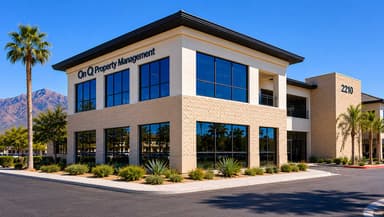
On Q Property Management manages long-term single-family rentals across Phoenix, Tucson, Plano, and Austin, including surrounding areas within roughly a 60-mile radius.
The leasing process is built around consistency and communication.
Properties are priced using current market data, not outdated comparables. Listing photography and marketing follow standardized quality expectations across all markets.
Applications are reviewed using written screening criteria covering:
- income requirements
- rental history
- eviction searches
- background screening
- credit review
Every application goes through the same process.
The goal is not simply to lease homes as fast as possible. The goal is to place qualified residents within a reasonable timeframe without lowering standards just to reduce vacancy days.
At the end of the day, most owners care a lot more about stability than winning a race to lease the property fastest.
Metrics That Actually Matter
Time to lease matters. It’s just not the only thing that matters.
Renewal Rate
Renewals are often one of the clearest signs that the original resident placement was successful. Residents who renew are more likely to have paid consistently, maintained the property well, and had a stable experience during the lease.
Eviction Rate
Low eviction rates usually start with strong front-end systems. Careful screening and consistent standards reduce operational risk long after move-in day.
Communication Experience
Both residents and homeowners judge management quality heavily on communication. Clear expectations, organized onboarding, and responsive follow-up create a much more stable experience for everyone involved.
What This Means for Residents
Residents deserve a leasing experience that feels clear, organized, and respectful of their time.
That includes:
- prompt communication
- transparent screening expectations
- organized application handling
- documented move-in processes
- consistent follow-up
Good systems benefit residents just as much as they benefit homeowners.
What This Means for Homeowners
Homeowners need more than a fast lease. They need a resident placement strategy that protects the long-term health of the property.
That means:
- consistent screening standards
- realistic pricing strategy
- proactive communication
- operational systems that hold up long after move-in day
A lease only counts as successful if it still looks like a good decision months later.
The Honest Takeaway
Vacancy matters. Speed matters.
But the leasing decision that matters most is the one that still holds up at month six and month twelve.
A property leased to the right resident, at a fair price, within a reasonable timeframe, is the real win.
Better residents first. Faster second. The order matters.
Frequently Asked Questions
How long should it take to lease a single-family rental?
In many cases, a well-priced home can lease within a few weeks, although timing depends heavily on seasonality, pricing, property condition, and the local market.
How does On Q approach resident placement and applicant screening?
Applications are reviewed using written screening criteria that may include income verification, credit review, rental history, eviction searches, and background screening.
Why is my property still vacant after 30 days?
The most common causes are pricing misalignment, seasonal market slowdowns, or listing presentation issues such as photography, condition, or marketing quality.
Which areas does On Q manage?
On Q manages properties throughout Phoenix, Tucson, Plano, Austin, and surrounding areas within approximately a 60-mile radius.
Source
A recent industry analysis from Snappt highlighted that the average eviction can cost property owners between $3,500 and $10,000 once lost rent, legal fees, turnover costs, and repairs are included, reinforcing why careful resident placement and tenant screening matter far beyond the initial lease timeline.